

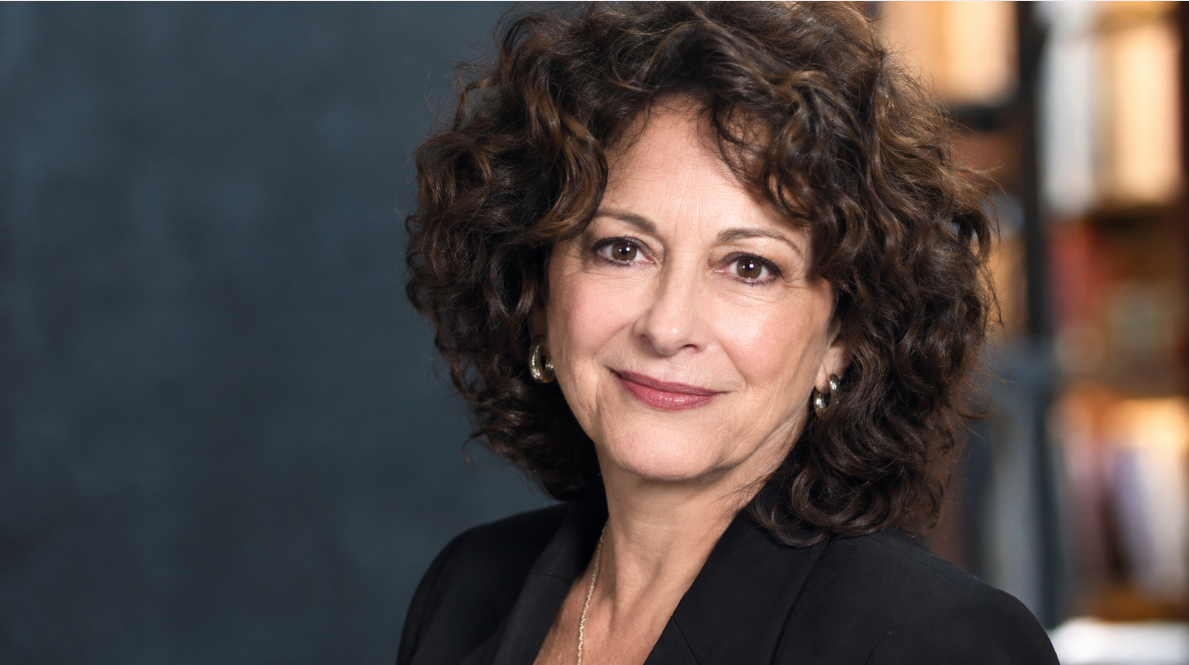
Gloria Katz was an American screenwriter and film producer whose work helped shape several memorable Hollywood films. Best known for co-writing American Graffiti and Indiana Jones and the Temple of Doom, she also made an important, largely uncredited contribution to the original Star Wars. Her career demonstrated how sharp dialogue, humour and strong characterisation could influence major film productions, even when a writer’s contribution remained behind the scenes.
Working closely with her husband, filmmaker Willard Huyck, Katz developed a distinctive place in Hollywood during the 1970s and 1980s. Her collaborations ranged from acclaimed coming-of-age dramas to adventurous blockbusters and unconventional comedies.
Early Life and Education
Born in Los Angeles, California, on October 25, 1942, Katz developed an academic background that prepared her for a career in storytelling. She studied English at the University of California, Berkeley, before earning a master’s degree in film from the University of California, Los Angeles.
Her professional journey included work editing educational films for Universal Pictures. This experience gave her exposure to the practical side of filmmaking before she established herself as a screenwriter.
In 1969, she married Willard Huyck, beginning a personal and creative partnership that would become central to her career. Huyck’s friendship with George Lucas eventually connected the couple with projects that reached audiences worldwide.
Career Breakthrough with American Graffiti
Katz’s major breakthrough came with American Graffiti (1973), which she co-wrote with Huyck and Lucas. Directed by Lucas, the film follows young people navigating relationships, uncertainty and the transition into adulthood during a summer night in early-1960s California.
The screenplay earned the trio an Academy Award nomination for Best Original Screenplay. It also received recognition from the New York Film Critics Circle and the National Society of Film Critics, both of which honoured the writing.
The film established Katz as a screenwriter capable of capturing natural conversations and the emotional details of everyday life. Rather than relying solely on plot, the story found its strength in believable characters and sharply observed social interactions.
Star Wars and Indiana Jones
One of Katz’s most discussed contributions was her uncredited work on Star Wars (1977). Alongside Huyck, she helped revise Lucas’s screenplay, adding humour and refining dialogue. Katz later explained that their work helped give Princess Leia greater authority and independence, strengthening the character’s presence in the story.
She subsequently co-wrote Indiana Jones and the Temple of Doom (1984), directed by Steven Spielberg. The adventure film showcased a different side of her writing, combining suspense, comic moments and character-driven exchanges.
Her other credits included Lucky Lady (1975), French Postcards (1979), Best Defense (1984), Howard the Duck (1986) and Radioland Murders (1994).
Legacy and Lasting Influence
Katz died in Los Angeles on November 25, 2018, aged 76. Although she did not always receive on-screen recognition for her contributions, her work remains part of several influential films in American cinema.
Her career is a reminder that screenwriting involves more than constructing a plot. Through dialogue, humour and character development, Gloria Katz helped bring personality and emotional texture to stories that continue to attract audiences.

1 Comment
Pingback: Howard the Duck (1986) - Entertain Mag