

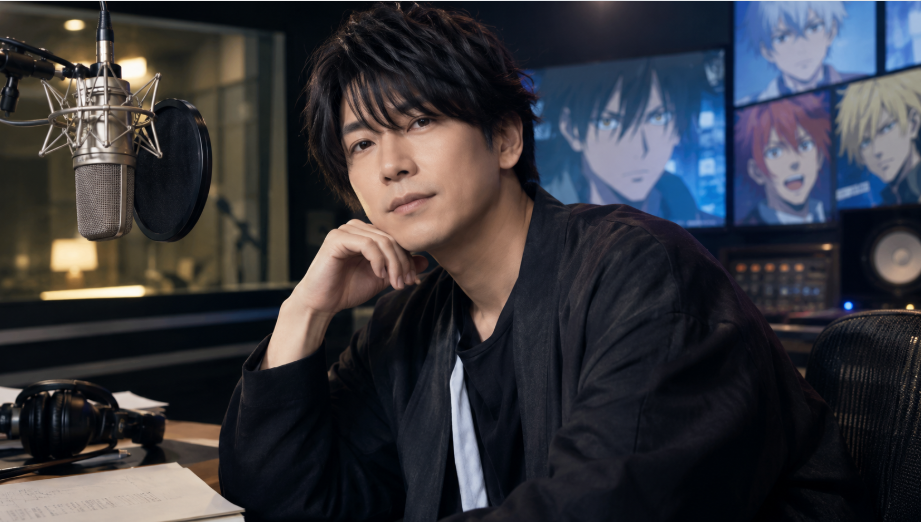
Koki Uchiyama is a Japanese actor and voice artist known for bringing a distinctive combination of emotional restraint, intensity and subtle characterisation to anime. Over the years, he has voiced memorable characters in popular series such as My Hero Academia, Haikyu!!, Jujutsu Kaisen, Hunter × Hunter and Yuri!!! on Ice. His performances range from quiet, thoughtful teenagers to dangerous antagonists and complex characters whose motivations unfold gradually. Beyond television anime, Uchiyama has built an extensive career in animated films, video games and other entertainment projects. His work has earned recognition within Japan’s voice-acting industry and established him as a familiar name among anime fans worldwide.
Who Is Koki Uchiyama?
Koki Uchiyama (内山 昂輝, Uchiyama Kōki) is a Japanese actor and voice actor born on August 16, 1990, in Saitama Prefecture, Japan. He is professionally known by the same name and is affiliated with the Himawari Theatre Group, a Japanese talent agency that represents actors and performers.
Uchiyama began working as a child actor before developing a substantial career in voice acting. His early experience in performance helped him develop an understanding of characterisation, dialogue and emotional expression. As his career progressed, he became particularly associated with characters who appear reserved or detached but possess complicated emotional lives.
Some of his most recognisable performances include Tomura Shigaraki in My Hero Academia, Kei Tsukishima in Haikyu!!, Toge Inumaki in Jujutsu Kaisen, Meruem in Hunter × Hunter and Yuri Plisetsky in Yuri!!! on Ice. He also voices Roxas and Ventus in the Kingdom Hearts video game series, demonstrating his reach beyond anime.
Early Life and Career
Uchiyama entered the entertainment industry as a child, initially working as an actor rather than exclusively pursuing voice performances. This early background gave him opportunities to gain experience in front of the camera and develop the fundamentals of acting.
His transition into voice acting brought a different set of challenges. Without facial expressions or physical movement to communicate a character’s feelings, voice performers must convey personality, intention and emotional changes through dialogue, timing and vocal delivery.
One of his early significant voice-acting roles was Riki Kuramoto in the animated television film Momoko, Kaeru no Uta ga Kikoeru yo (2003). The project marked an important stage in his development as a voice performer and preceded his later work in television anime, films and video games.
Uchiyama subsequently appeared in a growing range of animated productions. Rather than becoming known for a single type of character, he demonstrated an ability to portray protagonists, supporting characters and antagonists. His performances frequently rely on controlled delivery, making small changes in tone and rhythm particularly effective.
Voice Acting Career
Uchiyama’s voice-acting career developed significantly during the late 2000s and early 2010s, when he began appearing in more prominent anime productions. His work in Soul Eater, Guilty Crown and Hunter × Hunter helped introduce his performances to wider audiences.
In Soul Eater, he voices Soul Evans, a central character whose confident attitude and close partnership with Maka Albarn are important to the series. In Guilty Crown, he plays Daryl Yan, a character whose arrogance and emotional volatility require a different approach.
His portrayal of Meruem in the 2011 version of Hunter × Hunter became another important career highlight. Meruem begins as an exceptionally powerful antagonist, but his evolving relationship with Komugi introduces vulnerability and moral complexity. Uchiyama’s measured delivery helps communicate that transformation without losing the character’s intimidating presence.
Another significant role arrived with Haikyu!!, in which he voices Kei Tsukishima. Tsukishima’s sarcastic humour, analytical mindset and gradual development as a volleyball player provide a contrast to the more openly enthusiastic characters around him.
Uchiyama continued to expand his portfolio through Yuri!!! on Ice, My Hero Academia, Jujutsu Kaisen, Horimiya and BLUE LOCK. These projects illustrate the range of his work, from sports and romance to supernatural action and psychological drama.
His performances are not limited to anime. He has also voiced major characters in the Kingdom Hearts franchise and The World Ends with You, two video game series with strong international followings.
Most Famous Anime Roles
Uchiyama’s best-known anime characters often have personalities that develop beyond their first impressions. Some are guarded and sarcastic, while others are frighteningly powerful or quietly determined.
Tomura Shigaraki — My Hero Academia
Tomura Shigaraki is one of Uchiyama’s most prominent roles. Introduced as a dangerous villain, Shigaraki becomes central to the conflict between the heroes and the League of Villains. His history, anger and evolving identity give the character considerable emotional depth.
Uchiyama’s performance changes alongside Shigaraki’s development, moving between unsettling calmness, explosive hostility and moments of vulnerability. The role demonstrates his ability to portray a character whose psychological state is integral to the story.
Kei Tsukishima — Haikyu!!
Kei Tsukishima is a talented middle blocker for Karasuno High School’s volleyball team. Initially cynical about the sport, he approaches volleyball with a cool, analytical attitude and frequently teases his teammates.
Uchiyama gives Tsukishima a dry, understated delivery that suits his personality. As the character becomes more invested in volleyball, subtle changes in his performance help convey a growing competitive spirit beneath his guarded exterior.
Toge Inumaki — Jujutsu Kaisen
Toge Inumaki is a student at Tokyo Jujutsu High whose cursed speech makes ordinary conversation potentially dangerous. To avoid harming others, he frequently communicates using words associated with rice-ball ingredients.
Because the character has relatively limited conventional dialogue, Uchiyama’s performance depends heavily on timing, vocal expression and the context of each scene. The result helps make Inumaki memorable despite his unusual way of communicating.
Meruem — Hunter × Hunter
Meruem is the powerful Chimera Ant King in Hunter × Hunter. Although initially presented as a formidable threat, he gradually develops a more complicated understanding of humanity through his interactions with Komugi.
Uchiyama balances the character’s authority and menace with the quieter moments that reveal his changing perspective. This contrast is a major reason the performance remains one of his notable dramatic roles.
Yuri Plisetsky — Yuri!!! on Ice
Yuri Plisetsky is a young Russian figure skater with considerable talent, a fierce competitive streak and a short temper. He initially appears confrontational, but the series gradually reveals more about his ambitions, insecurities and dedication to skating.
Uchiyama captures Yuri’s sharp-edged confidence while allowing his more vulnerable moments to emerge. The performance contributes to the character’s appeal among fans of the sports anime.
Izumi Miyamura — Horimiya
In Horimiya, Uchiyama voices Izumi Miyamura, a quiet student whose appearance and personality outside school differ from what his classmates expect. His developing relationship with Kyoko Hori brings out his warmth, humour and insecurities.
The role highlights Uchiyama’s ability to convey intimacy and emotional sensitivity without relying on exaggerated vocal expressions.
Rin Itoshi — BLUE LOCK
Rin Itoshi is an exceptionally skilled football player in BLUE LOCK. He is intensely competitive, highly analytical and driven by personal ambitions that shape his relationships with other players.
Uchiyama’s restrained yet forceful performance reflects Rin’s confidence and determination. The character also demonstrates how effectively the actor can convey rivalry and psychological pressure in a sports-focused story.
Koki Uchiyama’s Notable Characters
The following table highlights selected Japanese original voice performances from Uchiyama’s career. The years refer to the initial release of the listed anime or project, rather than the start of every subsequent season or re-release.
| Anime / Project | Character | Year | Role Type |
|---|---|---|---|
| Soul Eater | Soul Evans | 2008 | Main supporting character |
| Guilty Crown | Daryl Yan | 2011 | Supporting character |
| Hunter × Hunter | Meruem | 2011 | Major antagonist |
| Psycho-Pass | Akane’s school acquaintance, Yuki Funahara’s circle includes various minor roles | 2012 | Supporting work |
| Haikyu!! | Kei Tsukishima | 2014 | Main supporting character |
| Yuri!!! on Ice | Yuri Plisetsky | 2016 | Major supporting character |
| My Hero Academia | Tomura Shigaraki | 2016 | Major antagonist |
| The Ancient Magus’ Bride | Ruth | 2017 | Supporting character |
| Devilman Crybaby | Akira Fudo / Devilman | 2018 | Lead character |
| Demon Slayer: Kimetsu no Yaiba | Rui | 2019 | Antagonist |
| Jujutsu Kaisen | Toge Inumaki | 2020 | Supporting character |
| Horimiya | Izumi Miyamura | 2021 | Lead character |
| BLUE LOCK | Rin Itoshi | 2022 | Major supporting character |
| Buddy Daddies | Rei Suwa | 2023 | Lead character |
| My Love Story with Yamada-kun at Lv999 | Akito Yamada | 2023 | Lead character |
| Kaiju No. 8 | Gen Narumi | 2025 | Major supporting character |
This is a selection of notable credits, not a complete filmography. Uchiyama’s career includes many additional anime roles, video game performances and appearances in animated films.
Movies, Television and Other Voice Roles
Although anime remains the foundation of Uchiyama’s public profile, his work extends into theatrical animation, video games, live-action productions and Japanese-language dubbing.
Animated Films
Uchiyama has appeared in several well-known animated films, often reprising characters introduced in television series or taking on prominent roles in standalone productions.
In The Anthem of the Heart (2015), he voices Takumi Sakagami, a high school student involved in a story about communication, emotional expression and personal growth. The film provides a different showcase for his restrained acting style.
He also voices Ikuya Kirishima in the Free! franchise, including High Speed! -Free! Starting Days- (2015), and Benedict Blue in the Violet Evergarden franchise. Benedict’s appearances in Violet Evergarden: Eternity and the Auto Memory Doll (2019) and Violet Evergarden: The Movie (2020) form part of the franchise’s broader story.
Other notable film credits include Toge Inumaki in Jujutsu Kaisen 0 (2021), Kei Tsukishima in Haikyu!! The Dumpster Battle (2024) and Rin Itoshi in BLUE LOCK THE MOVIE -EPISODE NAGI- (2024).
Video Game Voice Acting
Video games represent another important part of Uchiyama’s career. His performances in major Japanese game franchises have introduced his work to audiences who may not know him primarily through anime.
One of his most recognisable game roles is Roxas in the Kingdom Hearts series. He also voices Ventus, another important character in the franchise. Both roles require him to distinguish characters whose stories involve identity, friendship and emotional conflict.
His other notable video game performances include:
- Neku Sakuraba — The World Ends with You: The protagonist of a role-playing game set in a supernatural version of Tokyo.
- Banagher Links — Mobile Suit Gundam UC: The central character of a science-fiction story about war, responsibility and human relationships.
- Rean Schwarzer — The Legend of Heroes: Trails of Cold Steel: A major character in the long-running role-playing game series.
- Razor — Genshin Impact: A playable character raised among wolves in Mondstadt.
- Gladion — Pokémon Masters EX: A character from the Pokémon franchise.
These performances demonstrate Uchiyama’s ability to maintain a character’s identity across long-running games, sequels and different narrative formats.
Television and Live-Action Work
Uchiyama’s career also includes live-action acting, reflecting his beginnings as a child performer. His early television appearances included historical Japanese dramas, such as Hōjō Tokimune and Toshiie and Matsu, in which he played younger versions of historical figures.
He has also appeared in Japanese tokusatsu productions. In Kamen Rider Saber, he voices Desast, a character who brings his vocal work into the franchise’s blend of live-action performances and special-effects storytelling.
English Dubbing and Other Language Versions
It is important to distinguish Uchiyama’s original Japanese performances from the English-language versions of the same characters.
Uchiyama is primarily known as a Japanese-language voice actor. In English dubs of anime and games, other performers may voice characters originally played by him. For example, the English version of My Hero Academia features Eric Vale as Tomura Shigaraki, while Uchiyama performs the character in Japanese.
Similarly, the English-language versions of Haikyu!! and Jujutsu Kaisen use different voice actors for Kei Tsukishima and Toge Inumaki, respectively.
Uchiyama has also been credited with Japanese-language dubbing work, including Taylor Lautner’s Sharkboy in The Adventures of Sharkboy and Lavagirl. This is a dubbing performance rather than an original anime character.
Awards and Recognition
Uchiyama’s achievements include recognition from two major Japanese entertainment and animation award programmes.
In 2011, he received the Best Male Rookie Award at the 5th Seiyu Awards. The honour recognised his early achievements as a voice actor and helped establish his standing in the industry.
In 2015, he received the Best Voice Actor award in the television category at the Tokyo Anime Award Festival, associated with his performance as Makoto Tsukimoto, also known as Smile, in Ping Pong the Animation (2014).
The latter performance is particularly noteworthy because Smile’s quiet personality and complicated relationship with competitive table tennis require subtle emotional expression. Rather than relying on dramatic outbursts, Uchiyama communicates the character’s gradual development through controlled delivery and changes in tone.
His continued presence in major anime productions, including My Hero Academia, Jujutsu Kaisen and BLUE LOCK, further demonstrates the industry’s confidence in his ability to handle demanding roles.
Career Highlights
Several elements distinguish Uchiyama’s career and explain his lasting appeal among anime viewers.
A broad range of characters: His portfolio includes protagonists, rivals, supporting characters and major antagonists. He can portray the intimidating Meruem, the sarcastic Tsukishima and the emotionally complicated Shigaraki without making them sound interchangeable.
Subtle emotional performances: Uchiyama frequently works with characters who conceal their feelings. His controlled delivery helps communicate changes in confidence, vulnerability, anger and affection.
Success across genres: His work spans sports anime, romance, science fiction, fantasy, horror and action. This versatility has allowed him to remain active across different audiences and storytelling styles.
A strong video game portfolio: His performances as Roxas and Ventus in Kingdom Hearts, alongside Neku Sakuraba in The World Ends with You, show that his influence extends well beyond television anime.
Recognition from industry awards: His Seiyu Awards and Tokyo Anime Award Festival achievements provide documented recognition of his work, particularly during the formative years of his voice-acting career.
For anime fans, Uchiyama is more than the voice behind a handful of popular characters. His performances help shape the personalities, emotional conflicts and memorable scenes that make these stories resonate with audiences.
Frequently Asked Questions
1. Who is Koki Uchiyama?
Koki Uchiyama is a Japanese actor and voice actor affiliated with the Himawari Theatre Group. He is known for roles in My Hero Academia, Haikyu!!, Jujutsu Kaisen, Hunter × Hunter and Yuri!!! on Ice.
2. What is Koki Uchiyama’s most famous anime role?
Tomura Shigaraki from My Hero Academia is among his most widely recognised roles. Kei Tsukishima, Toge Inumaki, Meruem and Yuri Plisetsky are also major fan favourites.
3. Does Koki Uchiyama voice Tomura Shigaraki?
Yes. Uchiyama provides Tomura Shigaraki’s original Japanese voice in My Hero Academia. Eric Vale performs the character in the English-language dub.
4. Does Koki Uchiyama voice Toge Inumaki in Jujutsu Kaisen?
Yes. Uchiyama voices Toge Inumaki in the original Japanese version of Jujutsu Kaisen, including the prequel film Jujutsu Kaisen 0.
5. Which video game characters has Koki Uchiyama voiced?
His notable video game roles include Roxas and Ventus in Kingdom Hearts, Neku Sakuraba in The World Ends with You, Banagher Links in Mobile Suit Gundam UC-related games and Razor in Genshin Impact.
6. Has Koki Uchiyama won any awards?
Yes. He won the Best Male Rookie Award at the 5th Seiyu Awards in 2011 and the Best Voice Actor award in the television category at the 2015 Tokyo Anime Award Festival for Ping Pong the Animation.
7. What was Koki Uchiyama’s early career like?
Uchiyama began as a child actor before developing his voice-acting career. One of his early significant voice roles was Riki Kuramoto in the 2003 animated television film Momoko, Kaeru no Uta ga Kikoeru yo.
8. Is Koki Uchiyama an English voice actor?
He is primarily known for Japanese-language performances. English dubs of his anime and game characters generally feature separate English-speaking performers, although Uchiyama has also undertaken Japanese dubbing work for international productions.
Conclusion
Koki Uchiyama has established himself as a versatile Japanese voice actor whose performances span some of the most recognisable anime and video game franchises of the past two decades. From the complex villainy of Tomura Shigaraki and Meruem to the guarded personalities of Kei Tsukishima and Izumi Miyamura, he consistently brings nuance to characters with distinct emotional journeys. His award-winning performance in Ping Pong the Animation and his work in Kingdom Hearts further demonstrate the breadth of his talent. For anime fans, Uchiyama remains a significant performer whose distinctive delivery and thoughtful characterisation continue to leave a lasting impression.
